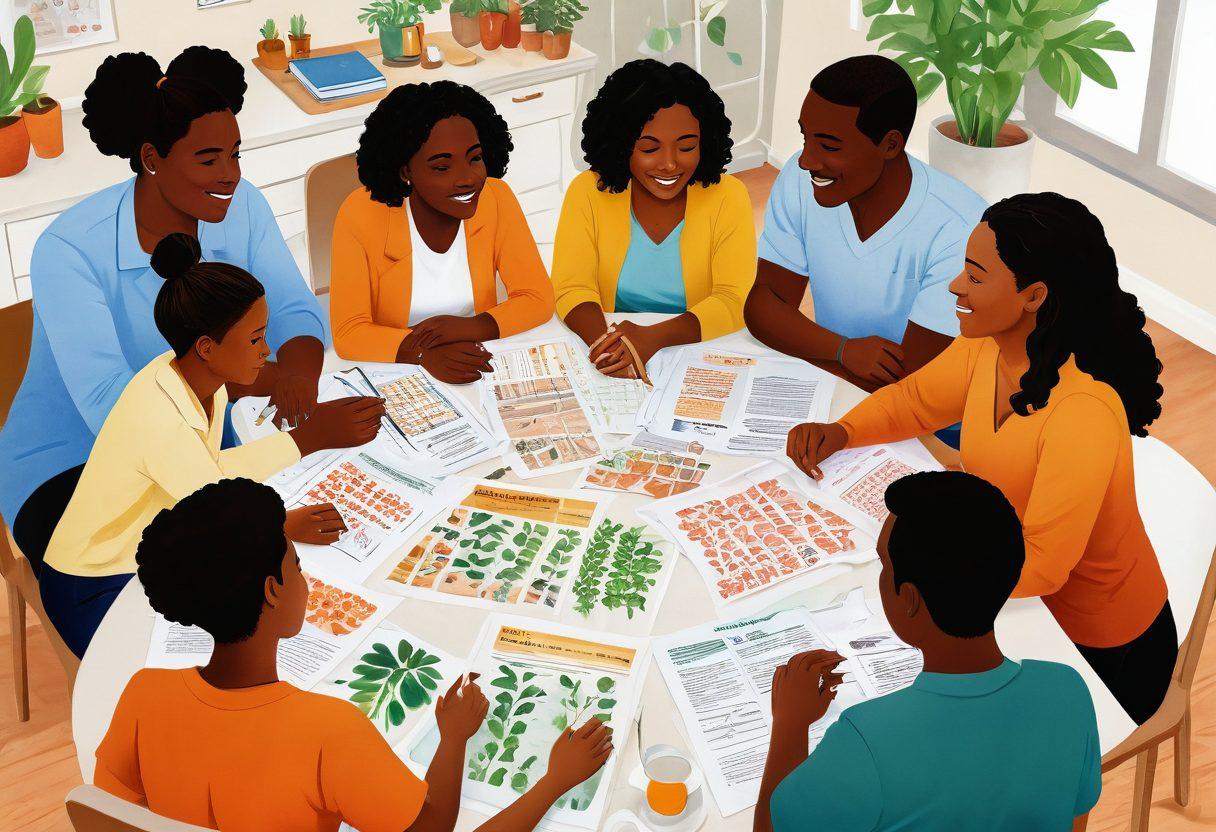
Navigating Your Cancer Journey: Essential Support, Education, and Resources for Patients and Families
When faced with a diagnosis of cancer, whether it’s carcinoma, tumors, or other types of malignancy, the world feels like it has come to a halt. Did you know that more than 1.8 million new cases of cancer are expected to be diagnosed in the United States alone in 2023? This staggering statistic is a reminder that cancer impacts thousands of families every day. As we navigate this challenging journey, it’s essential to be equipped with empowering tools and resources to ensure we stand strong against the storms of uncertainty. This blog serves as a beacon of hope, illuminating the path forward with fundamental resources for cancer education, support, and advocacy.
In the realm of cancer support, education is your best ally. Knowledge is not only power, it’s the cornerstone upon which a robust cancer journey can be built. From understanding the intricacies of treatment options to exploring clinical trials, engaging with an oncologist who listens to your concerns and answers your questions is crucial. Ask yourself, have you taken the time to prepare important questions before your appointments? Crafting a list prompt can help you clarify your thoughts and ensure you gather all the information you need. Remember, no question is too small when it comes to your health and wellness.
Emotional support is a powerful component often overlooked during treatment. It can manifest in numerous ways - from the understanding of a loved one to a support group that shares survivor stories and advice. Each story shared is a thread in the quilt of humanity, demonstrating resilience through hardship. This ties into holistic health approaches that many patients adopt, such as mindfulness, yoga, or alternative therapies. Have you considered how lifestyle changes, such as diet or exercise routines, can play a significant role in your recovery and emotional well-being? The journey need not be walked alone; leveraging family support and networks fosters connections that help to heal both body and mind.
Let’s also take a moment to dive into cancer advocacy and awareness campaigns that elevate the voices of patients battling against malignancy. These campaigns not only bring attention to pressing issues in healthcare but also empower patients to be active participants in their own treatment journeys. Programs often emphasize preventive care and the importance of early detection—remember the saying, "an ounce of prevention is worth a pound of cure." Are you informed about the latest medical news and cancer statistics? Staying updated can make you a formidable advocate for not just yourself, but others navigating their own concerns surrounding cancer.
In conclusion, transforming your cancer journey into a story of empowerment involves taking proactive steps. Equip yourself with the essential patient resources around cancer education and support. Share your experiences through forums or even an oncology blog to connect with others facing similar challenges. Perhaps share your newfound knowledge with someone who feels overwhelmed; you might be their guiding light. It’s time to embrace the resources available—make your cancer journey a testament to strength, resilience, and hope, no matter where it leads you.
From Diagnosis to Survival: The Comprehensive Guide for Patients and Families
The moment the word 'cancer' touches your life, it can feel as if the ground beneath you has crumbled. Whether it's a diagnosis of carcinoma, learning about the presence of tumors, or dealing with a malignancy, the news can be staggering. But let me share a comforting thought: you're not alone. Your cancer journey is filled with stories from those who have faced the same dark clouds. This comprehensive guide aims to illuminate the path from diagnosis to survival, not only providing support and education but also empowering you through facts, survivor stories, and essential resources.
First and foremost, cancer support is not just a buzzword; it’s a lifeline. Think of it as a sturdy bridge that connects you to others who've walked similar paths. Engaging with cancer advocacy groups can offer emotional support and guidance when you feel overwhelmed. Organizations often provide mental health resources, but also peer support, which can be crucial in navigating this journey. Have you ever wondered how sharing your experiences with others can transform your outlook? Many find strength and solace in community, which can amplify your resilience against fear and anxiety.
Education is a powerful tool in your cancer journey. By understanding treatment options, clinical trials, and the latest medical news, you can take charge of your situation. Did you know that the more informed you are about your diagnosis, the more empowered you become in making decisions? Solicit the expertise of your oncologist, read relevant oncology blogs, and stay up-to-date with cancer statistics. Moreover, don’t shy away from asking questions. The healthcare system can be labyrinthine, and your active involvement can make all the difference.
Integrating lifestyle changes into your routine can serve as a pillar of your health wellness strategy. Preventive care is not just a term used by doctors; it’s a mindset you can adopt during and after treatment. Exploring alternative therapies, incorporating holistic health principles, and fostering emotional support networks will not only enhance your quality of life but can also positively influence your treatment outcomes. How would you feel if those small lifestyle adjustments led to significant improvements in your well-being? Believe it or not, they often do!
As you embark on your cancer journey, remember that every step – whether it’s attending awareness campaigns, engaging in survivor stories, or even navigating the day-to-day challenges – is a testament to your strength and resolve. Lean on your family support, connect with others who share similar experiences, and never underestimate the importance of patient resources available at your fingertips. Together, let’s rewrite the narrative of what it means to face a diagnosis of cancer. Engage, educate, advocate and empower – because your story is just beginning!
Building a Support System: Connecting with Advocacy, Education, and Emotional Care in Cancer Journeys
When navigating the rocky terrain of a cancer journey, it’s crucial to establish a strong support system. The reality is that cancer affects not only the patients but also their families and friends. A carcinoma diagnosis can feel like the sky is falling, but connecting with a network of cancer support can provide the much-needed strength to weather the storm. So, how do we build this bridge of connections? The answer lies in engaging with cancer advocacy groups, tapping into educational resources, and seeking emotional care. After all, a solid support system equips you with knowledge and resilience to tackle adversities that come with malignancy.
Cancer education is a vital part of understanding your options and making informed decisions. It’s about more than just the medical news you hear; it’s about digging deeper into treatment options, preventive care, and current research findings. Engaging with an oncology blog or health blog focused on cancer can serve as a treasure trove of information. Imagine being a part of awareness campaigns that not only enlighten you but also empower you to take ownership of your health. What questions do you have that remain unanswered? Finding the right patient resources can bridge that knowledge gap and guide your journey.
Did you know that stories inspire? Among the most powerful tools in your cancer journey may very well be survivor stories. Hearing firsthand experiences from others who have walked the same path can offer both hope and practical advice. As you learn about their lifestyle changes, alternative therapies, and clinical trials they pursued, perhaps you’ll uncover a newfound inspiration to embrace your journey. Why not share your own experiences with others? By creating your own narrative, you contribute to a collective support framework that speaks to power and vulnerability. Remember, you are not alone in this fight.
Emotional support plays an essential role in battling tumors and surviving the cancer journey. You cannot underestimate the importance of leaning on family support or seeking professional counseling. In this age of technology, consider joining online forums or local support groups. They provide a safe space to share feelings, ask questions, and receive guidance from those who truly get it. What would it feel like to unload your burdens to someone who understands? The empowerment that comes from connecting with others can be both liberating and healing.
Finally, staying informed about the latest cancer statistics and trends in the healthcare landscape can equip you as an advocate for yourself and others in your circle. Imagine the impact you could make by being an informed voice in cancer advocacy. Whether it’s participating in community events, seeking proactive preventive care, or pushing for access to new treatment options, every little action counts. As you build your support system, remember that your cancer journey is uniquely yours but can intertwine with others through shared experiences. Breaking through the silence of stigma and fear is key; together, we can forge a path toward holistic health and wellness.